


1. Chocolate
Most pet parents are aware that chocolate could be harmful to their dogs. Chocolate contains methylxanthines, a substance that is found in cacao seeds and can be dangerous to dogs. Methylxanthines can cause your dog to experience hyperactivity, abnormal heartbeats, seizures, vomiting, diarrhea, and potentially death.
2. Milk and Dairy Products
While milk and dairy products are not necessarily dangerous for your dog, it is important to monitor their intake of any such products. It is possible for dogs to be lactose-intolerant, so milk may cause discomfort for your pet. If you decide to give your dog milk, you should be aware of the symptoms of lactose intolerance, which can include vomiting, diarrhea, abdominal pain, and gas. Diarrhea is quite common for dogs who consume dairy, and that can be a messy situation for unprepared pet owners. However, accidents happen, and services like Scoop Troop pet waste removal can help with the cleanup. Cheese requires the same restrictions as milk—as long as you monitor how much your dog eats, it is fine for your pet to eat. However, dairy products that contain a lot of sugar, such as ice cream, are not healthy for your dog and should be avoided.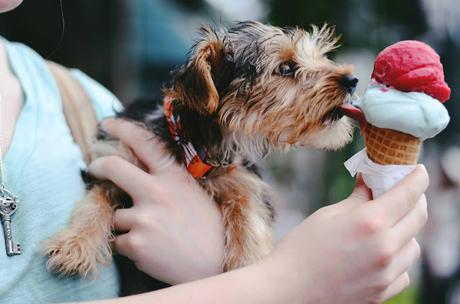
3. Salt
Eating too much salt could be harmful to your dog by causing excessive urination and thirst. Other symptoms of salt poisoning in your dog could consist of diarrhea, vomiting, seizures, and tremors. In order to prevent salt poisoning in your dog, you should avoid feeding them salty foods such as chips or pretzels.

4. Nuts
Nuts can be hazardous to your dog in a variety of ways, as they can be choking hazards or provide your dog with too much salt. Additionally, the high amount of oils and fats typically found in nuts can be dangerous to dogs by causing vomiting and diarrhea. Nuts also have the potential to cause pancreatitis in your dog. Macadamia nuts are among the most harmful type of nuts that your dog can ingest. Within 12 hours of eating Macadamia nuts, your dog can experience symptoms such as vomiting, depression, tremors, hyperthermia, and weakness.

5. Grapes and Raisins
Kidney failure in your dog is an unfortunate possibility as a result of eating grapes or raisins. It's important to note that it does not take a large number of grapes or raisins to cause your dog to get sick. It is unknown what the specific toxic substance is in grapes and raisins, but regardless you should avoid allowing your dog to eat either of them.
6. Xylitol
Xylitol is often used as a sweetener in products such as candy, toothpaste, and baked goods. Ingesting xylitol can cause your dog to experience liver failure or a drop in blood sugar. If your dog is experiencing lethargy, coordination problems, or vomiting, you should contact your veterinarian as these are common symptoms of eating xylitol.
 It's important to discuss pet insurance plans with your veterinarian as soon as you adopt a dog or any other pet. Pet insurance is a good idea for most pet owners, as vet bills can be extremely high, especially in emergency care situations that can arise from feeding your dog the wrong food. Some of the best pet insurance plans cover a range of medical care, including surgery, cancer treatment, preventative care for chronic illness, and emergency care. A comprehensive pet insurance plan will reduce stress for pet parents by helping with vet bills. In addition to discussing medical insurance plans with your veterinarian, you can also compare pet insurance with iSelect in order to find the best pet insurance for you and your pet. In the event your dog eats something harmful and requires medical care, having pet insurance will allow you to provide your pup with the best medical attention instead of worrying about vet bills.
Since diarrhea is a common symptom in dogs who eat harmful food, you can call
It's important to discuss pet insurance plans with your veterinarian as soon as you adopt a dog or any other pet. Pet insurance is a good idea for most pet owners, as vet bills can be extremely high, especially in emergency care situations that can arise from feeding your dog the wrong food. Some of the best pet insurance plans cover a range of medical care, including surgery, cancer treatment, preventative care for chronic illness, and emergency care. A comprehensive pet insurance plan will reduce stress for pet parents by helping with vet bills. In addition to discussing medical insurance plans with your veterinarian, you can also compare pet insurance with iSelect in order to find the best pet insurance for you and your pet. In the event your dog eats something harmful and requires medical care, having pet insurance will allow you to provide your pup with the best medical attention instead of worrying about vet bills.
Since diarrhea is a common symptom in dogs who eat harmful food, you can call 






