


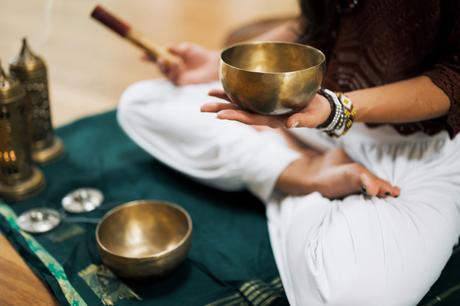
What Is a Sound Bath? (And Why It's Different from Meditation)
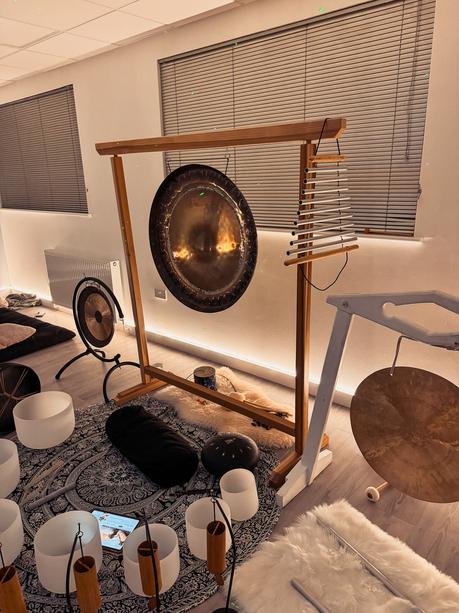
A sound bath isn't about hopping in the bath; it's an immersive experience where you're "bathed" in healing sound vibrations. Typically, a practitioner uses instruments like singing bowls, gongs, tuning forks, and chimes to create layered, resonant tones. You simply lie down, close your eyes, and let the vibrations wash over you for 30–60 minutes. It's meditation without the pressure to "do it right."
Unlike traditional meditation, which requires active focus, sound bath meditation is passive. Your only job is to show up and receive, making it ideal for busy mums whose minds won't sit still.
The Science Behind Sound Bath Benefits
Sound vibrations work on a physical level. When you're immersed in these frequencies, your body naturally shifts from a stressed state (sympathetic nervous system) into a relaxed state (parasympathetic nervous system).
Key benefits of sound baths include:
- Lower cortisol levels (your stress hormone)
- Reduced blood pressure and heart rate
- Eased tension in muscles and joints
- Improved sleep quality
- Enhanced emotional wellbeing and mood regulation
- Reduced anxiety and racing thoughts
Why Mums Need Sound Baths: The Real Story
Let's be honest: motherhood is beautiful, but it's also relentless. We're constantly "on," responding to needs, solving problems, and managing expectations. A sound bath for stress relief offers something rare, permission to do absolutely nothing. No fixing, no planning, no multitasking. Just you, the sound, and your breath.
Unlike traditional meditation, which requires discipline, sound baths are passive. This makes them perfect for those of us whose minds won't sit still or who feel guilty taking time for ourselves. It's self-care that doesn't feel like another task on your to-do list.
What to Expect During Your First Sound Bath
Before You Go:
- Wear comfortable, warm clothing (you'll be lying down for an hour)
- Eat lightly beforehand
- Arrive 10–15 minutes early to settle in
- Let the facilitator know if you have any injuries or sensitivities
During the Experience:
- You'll lie on a yoga mat or cushion in a darkened room
- The facilitator will guide you through a brief relaxation
- As the instruments begin, simply breathe and let your mind wander
- Some people fall asleep—that's perfectly fine
- You might feel tingling, warmth, or emotional release—all normal
After the Session:
- Take time to slowly return to awareness
- Drink plenty of water
- Journal any insights or feelings
- Notice how you feel over the next few days
Sound Baths vs. Other Mindfulness Practices: Which Is Right for You?
If you're already meditating or doing yoga, sound baths complement these beautifully. Here's how they compare:
Practice Effort Level Best For Time Commitment
Meditation High focus required Building mental discipline 10–20 mins daily
Yoga Physical + mental Combining movement and calm 30–60 mins
Sound Bath Passive receiving Deep relaxation without effort 30–60 mins (weekly)
Breathwork Moderate focus Quick stress relief 5–10 mins
The beauty? You don't have to choose. Many people use sound baths as a gateway into deeper mindfulness practices.
Finding Sound Baths Near You: A UK Guide
Sound baths are increasingly available across the UK:
- Yoga studios – Most major studios now host regular sessions
- Wellness centres and spas – Often offer sound healing as part of their services
- Independent practitioners – Search locally for "sound bath near me" or "sound healing practitioner"
- Online sound bath sessions – Available if you prefer at-home experiences
Pro tip: Many practitioners offer introductory sessions or discounts for first-timers. Don't hesitate to ask!
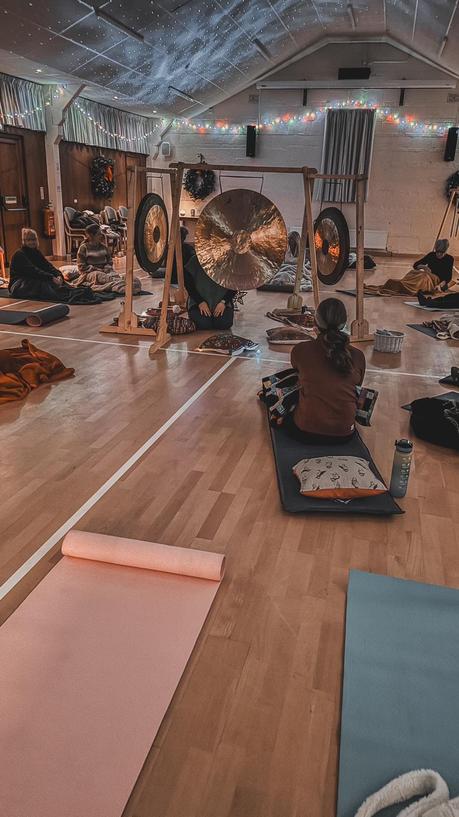
How to Create Your Own Sound Bath Experience at Home
Not ready to book a session? You can create a DIY sound bath at home:
- Find a quiet space where you won't be interrupted for 30 minutes
- Use a sound bath recording (search YouTube or Spotify for "sound bath meditation," "singing bowl meditation," or "sound healing")
- Lie down comfortably with pillows supporting your head and knees
- Set a timer for 20–30 minutes
- Let go and allow the sounds to guide you
- Dimmed lighting or candles
- Essential oils (lavender or frankincense work beautifully)
- A "do not disturb" sign on your door
- Your phone on silent
Sound Bath Frequency: How Often Should You Do Them?
Beginners: Start with one session every 2–3 weeks to see how your body responds
Regular practitioners: Weekly sessions offer the most consistent benefits
Maintenance: Once monthly is enough to maintain the benefits if weekly isn't feasible
Listen to your body—some people feel called to sound baths weekly, while others prefer occasional sessions. There's no "right" frequency; it's about what works for your lifestyle and budget.
The Real-Life Impact: What Mums Are Experiencing
I've noticed that after a sound bath, I'm more patient with my children, more present during family time, and less reactive to stress. It's not magic—it's what happens when your nervous system finally gets permission to rest. I love having mine after a busy week of work, a Friday night and I can go into the weekend feeling rested and present.
Many mums report:
- Better sleep quality (falling asleep faster, deeper rest)
- Improved mood and emotional resilience
- Reduced anxiety and racing thoughts
- Greater patience with family
- A renewed sense of perspective and calm
Sound Baths & Your Broader Mindfulness Journey
If you're already practicing mindfulness for mums or exploring meditation for stress relief, sound baths fit beautifully into your wellness toolkit. They complement practices like:
- Guided meditation
- Breathwork and grounding techniques
- Yoga and movement
- Journaling and reflection
FAQ: Your Sound Bath Questions Answered
Are sound baths safe? Yes, sound baths are safe for most people. However, if you're pregnant, have a pacemaker, or experience seizures triggered by sound, consult your healthcare provider first.
Can you fall asleep during a sound bath? Absolutely! Many people do. Your body knows what it needs—if sleep is what you need, that's perfectly fine.
How long does it take to feel the benefits? Some people feel immediate relaxation during their first session. Others notice cumulative benefits after 3–4 sessions. Give yourself time to experience the full effects.
Is a sound bath the same as sound therapy? Sound bath is a specific type of sound therapy. Sound therapy is the broader umbrella term for using sound and vibrations for healing.
Can I do sound baths if I have hearing loss? Yes! You don't need perfect hearing to feel the vibrations. The experience is as much physical as it is auditory.
What's the difference between a sound bath and a singing bowl meditation? A sound bath typically uses multiple instruments (bowls, gongs, chimes), while a singing bowl meditation focuses on one instrument. Both are beneficial; it depends on your preference.
Final Thoughts: Your Invitation to Rest
In a world that constantly demands we be "on," a sound bath is a radical act of self-care. It's not indulgent; it's necessary. Whether you're managing the demands of teaching, parenting, or both, your wellbeing matters. A sound bath might just be the gentle reset your mind and body have been craving.
Your next step? Book a session at a local studio, try a free recording at home, or explore sound baths as part of your mindfulness practice. Your nervous system will thank you.
Have you tried a sound bath? I'd love to hear about your experience in the comments below. What mindfulness practices work best for you?
K Elizabeth xoxox




